
SCoRe A⁺ Hydrogen and Carbon

Advancing Clean Hydrogen and Carbon
for a Climate-Neutral Industry.

To bundle interdisciplinary research from lab to pilot scale — from low-emission hydrogen production and storage to circular carbon applications — accelerating the transition to a climate-neutral industry.

About

SCoRe A⁺ Hydrogen and Carbon Centre

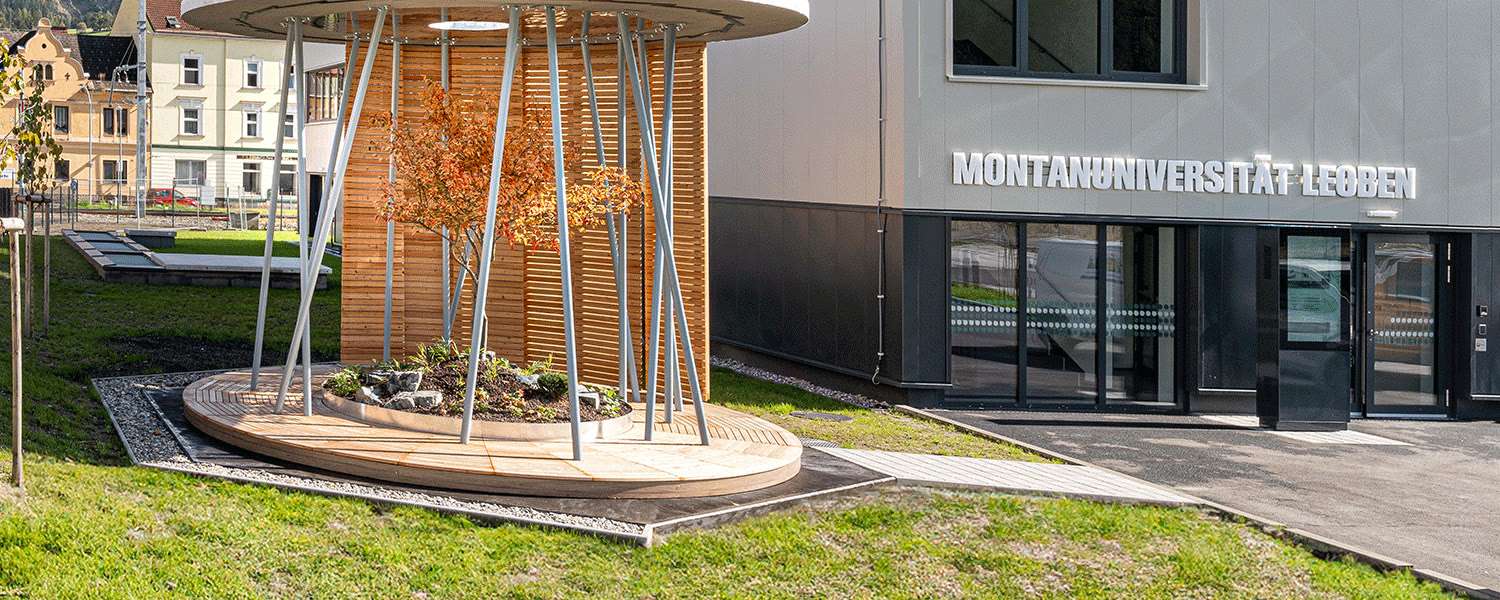
Since 2020, Montanuniversität Leoben has bundled interdisciplinary research in the strategic core research area SCoRe A⁺ Hydrogen and Carbon, connecting around 150 researchers from 26 organisational units across the full value chain.

Strategy

Integrated hydrogen and carbon research, from lab to pilot scale.

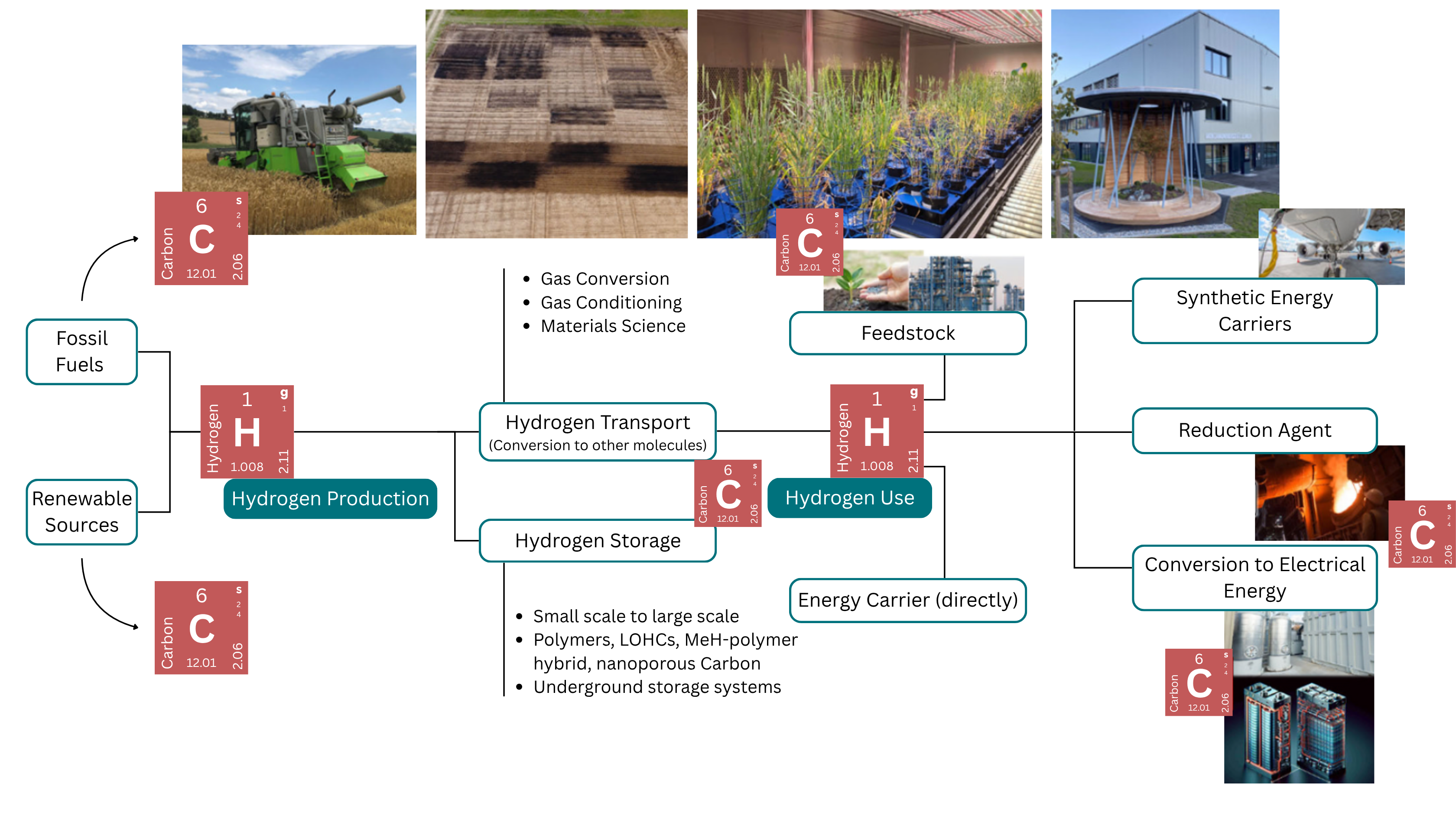
Around 150 researchers from 26 organisational units work along the full value chain — from low-emission production and storage to transport, industrial use and circular carbon applications.

The network is strengthened through close partnerships with industry and research institutions, increasing national and international visibility while accelerating practical, scalable solutions.

SCoRe A⁺ is designed as an implementation-oriented platform: scientific excellence, pilot-scale validation and real-world application pathways are developed together to support climate-neutral industry.

SCoRe A⁺ overview at Montanuniversität Leoben

Hydrogen pathway

Where clean hydrogen creates the most leverage.

  • Selective use in hard-to-electrify sectors such as metallurgy and heavy transport.
  • Storage and transport research from small mobility tanks to subsurface systems.
  • Use as feedstock and reducing agent to lower emissions in industrial value chains.
Carbon co-product

Solid carbon treated as a valuable material resource.

  • Application routes in metallurgy, agriculture, building materials and high-tech products.
  • Carbon loops between industry and agriculture supporting circular economy concepts.
  • Functionalised carbons engineered for long-term, low-emission material use.

Why hydrogen and carbon together

Two elements, one integrated transformation.

  • Hydrogen addresses hard-to-abate processes where direct electrification is limited.
  • Carbon is retained as a material resource for industry, agriculture and construction.
  • The combination supports circular loops instead of one-way emission pathways.

Research Focus

Four pillars, one integrated value cycle.

From low-emission hydrogen production to high-value circular carbon use, every research stream connects to the others — supported by an outdoor education programme that brings the science to society.

Research Centre for Hydrogen and Carbon

Core Technology

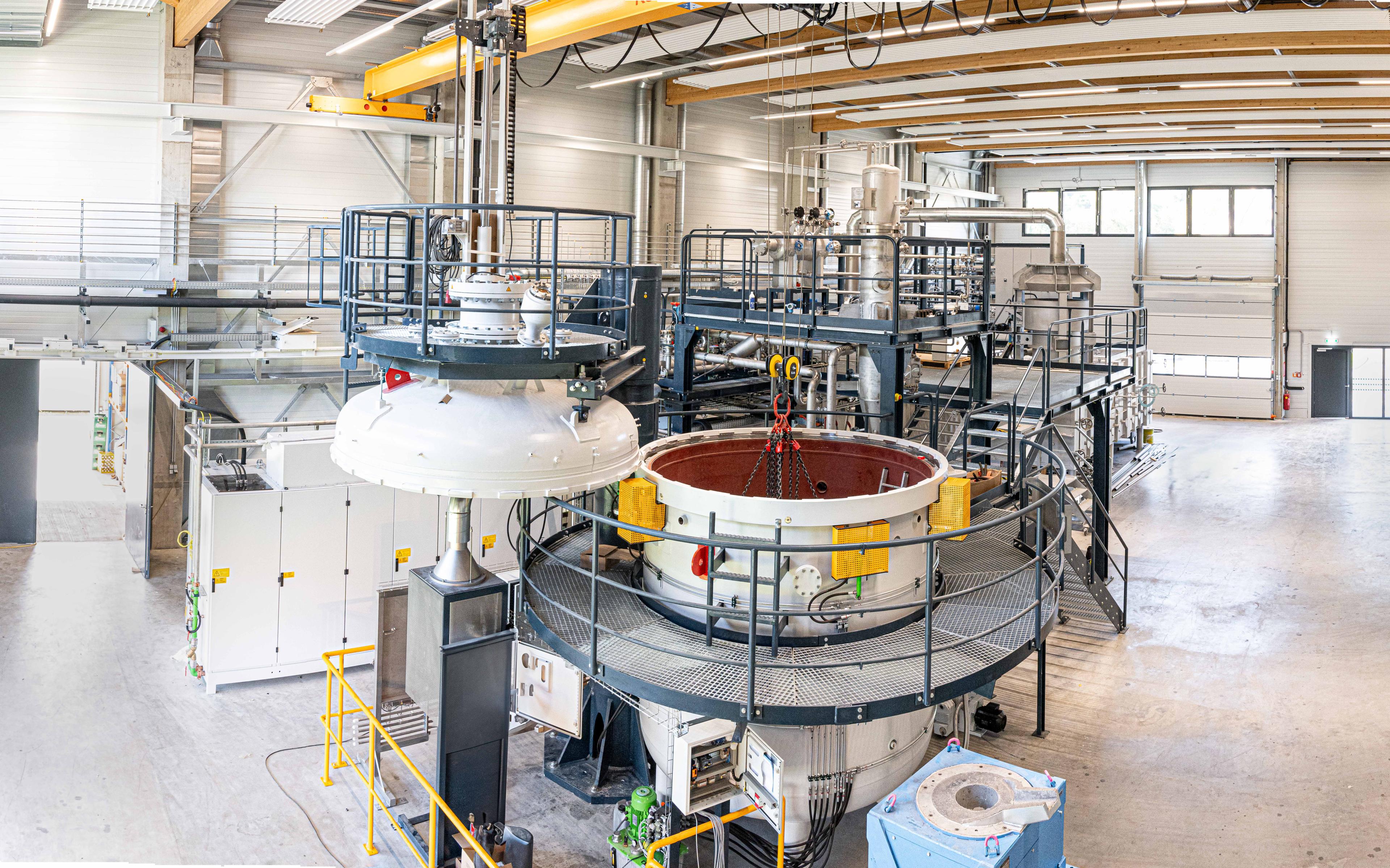
Methane pyrolysis from lab to pilot scale.

Splitting CH₄ into clean hydrogen and solid carbon without direct CO₂ — the central process innovation connecting all four research streams.

  • Plasma and molten-metal reactor systems
  • Process modelling and scale-up
  • Reactor design for continuous operation
  • Low-CO₂ pathways for industrial H₂ supply

Hydrogen Storage & Transport

Safe and scalable integration.

Research covering the full spectrum from high-pressure vessel materials to underground storage and pipeline conversion.

  • High-pressure embrittlement studies
  • Underground caprock and well-cement research
  • Pipeline repurposing for 100% hydrogen
  • Mobile and stationary storage materials

Carbon Applications

Carbon as a circular material resource.

Solid carbon from methane pyrolysis is treated as a high-value product, not waste — engineered for multiple end-use sectors.

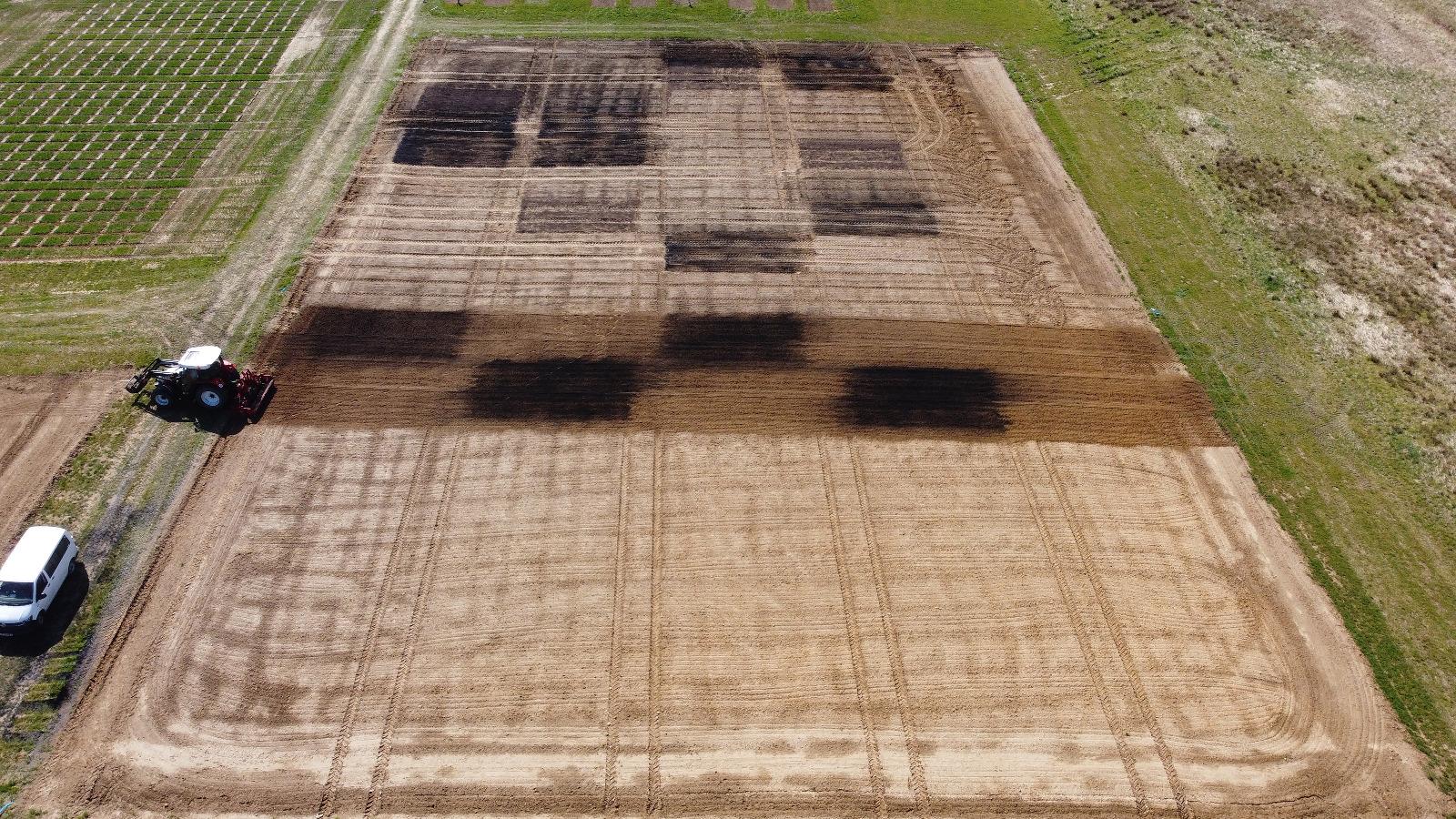
  • Soil amendment and agriculture trials
  • Functionalised carbons for building materials
  • Nanoporous carbons for advanced storage
  • Industrial valorisation routes
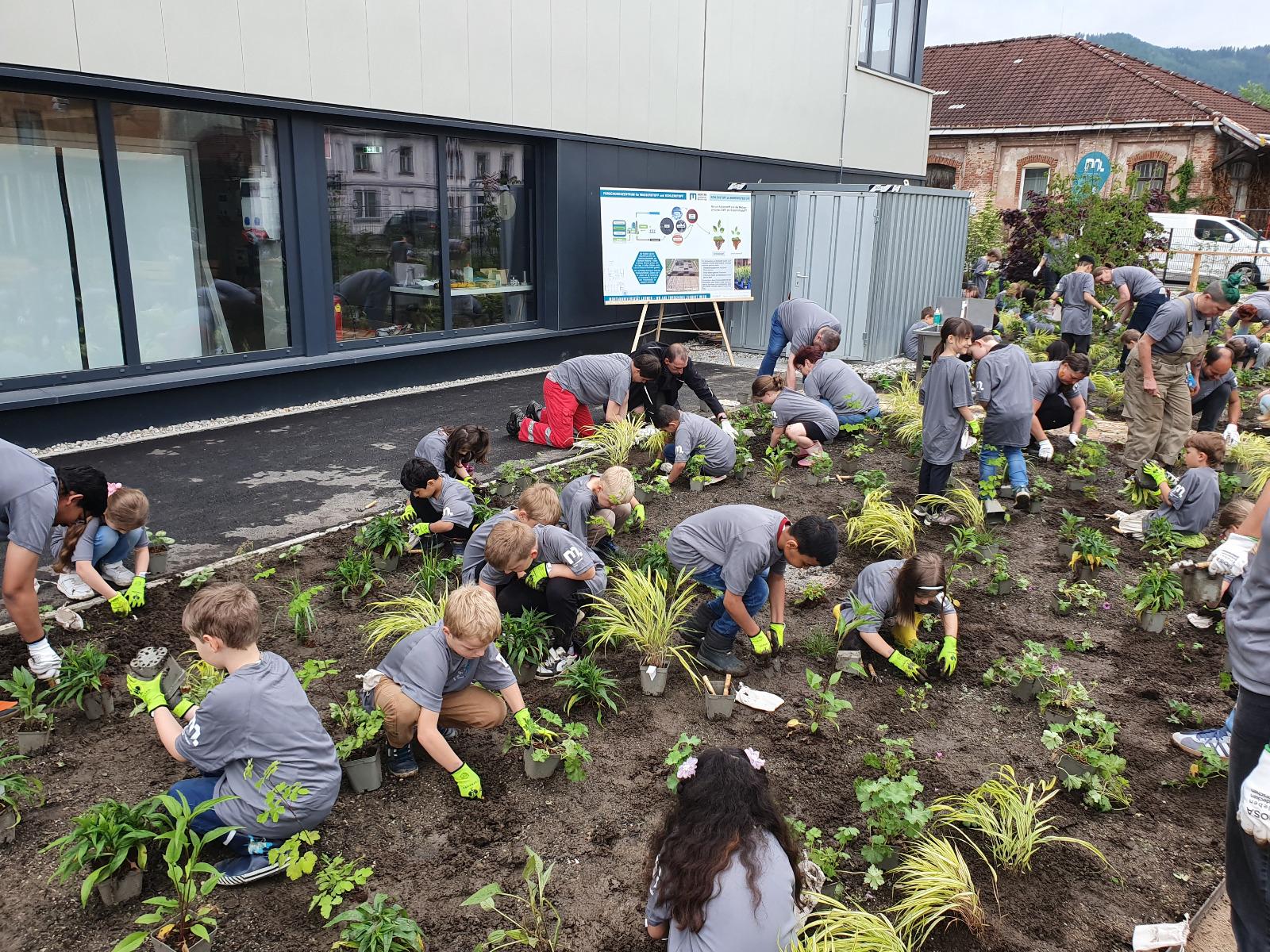
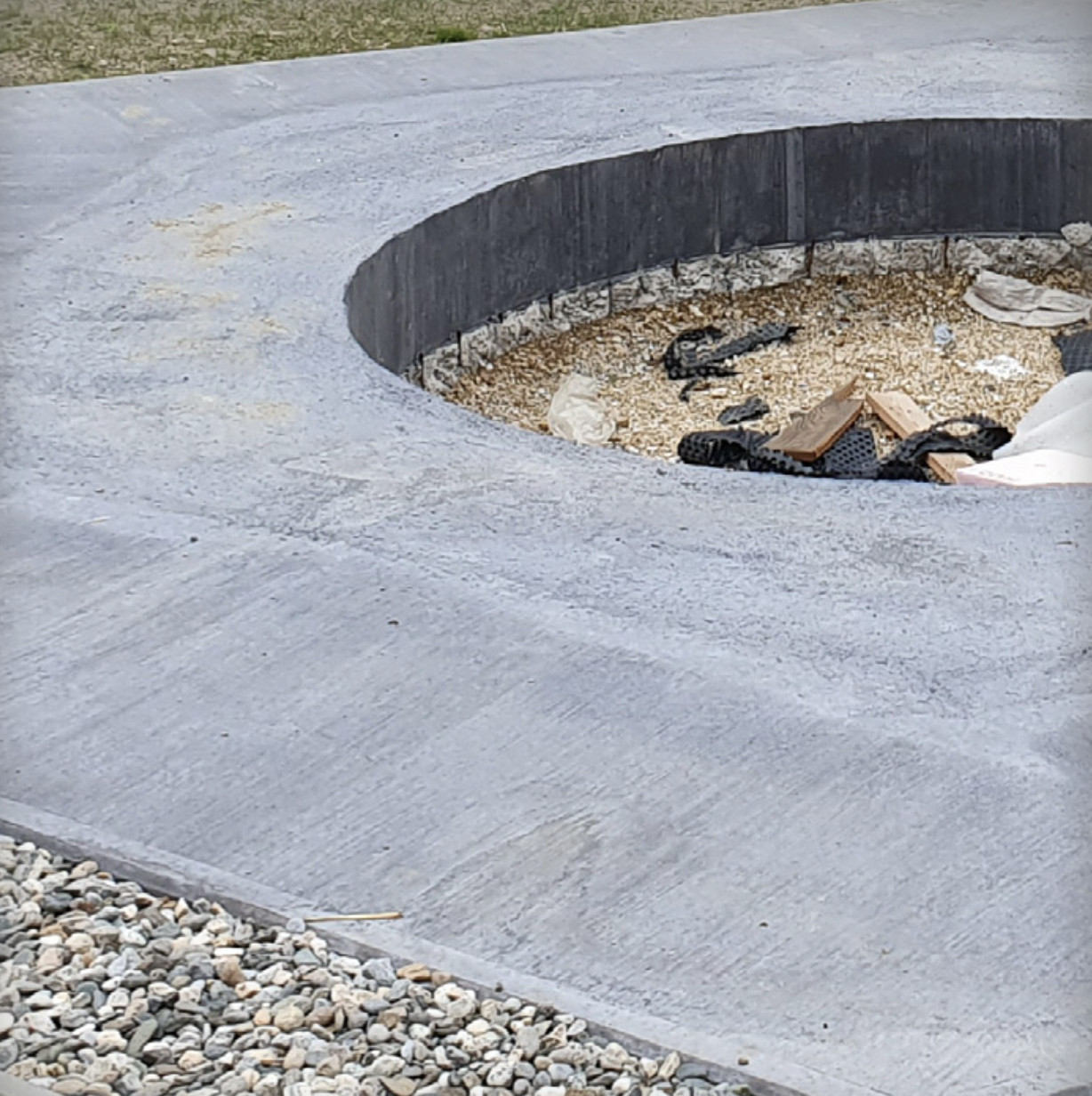
MOSA outdoor science activities

Education & Outreach

Bringing research to schools and society.

  • MOSA (Montanuni Outdoor Science Activities)
  • SAFE (Science Activities for Everyone) Living Lab
  • School and educator programmes
  • Collaborative industry formats

Key Metrics

Facts & Figures

Research scale, infrastructure capacity and education impact at Montanuniversität Leoben.

Researchers

120+

Active scientists working across the SCoRe A⁺ Hydrogen and Carbon network.

Chairs

26

Organisational units of Montanuniversität Leoben contributing to the programme.

Focus Areas

4

Research streams from low-emission production to circular carbon applications.

Investments

EUR 28M

Cumulative project-related funding committed to the programme.

Research Centre

750 m²

New pilot-scale infrastructure in Leoben-Leitendorf opened in autumn 2024.

PhD Projects

25

Fully self-funded dissertations launched by Montanuniversität Leoben since 2021.

MOSA outdoor area

1 600 m²

Teaching and learning environment for hands-on outdoor science activities.

Plants at MOSA

1 600

Climate-resilient species planted within the MOSA living-lab site.

Pupils trained

180+

School learners reached through MOSA activities since April 2025.

Field experiment

400 m²

Active soil and carbon trial running continuously since 2022.

Research range

0 K1600 °C

From cryogenic hydrogen storage to high-temperature methane pyrolysis.

Value cycle

Full chain

Production, storage, transport, industrial use and recycling combined.

Cooperation with significant industry partners

Long-term partnerships with Austrian and international companies across the value chain.

Regular collaborative events

Recurring formats that connect academia, industry and society throughout the year.

Test plot at MOSA property

Living-lab area for hands-on validation of circular carbon and soil concepts.

Methane Pyrolysis

Sustainable production of low-carbon hydrogen and high-purity carbon.

Hydrogen is an essential element of the future green energy supply scenario with reduced CO₂ emissions. Carbon contributes to resilient agriculture and sustainable building materials.

Methane pyrolysis can be used to convert natural gas almost emission-free into hydrogen and carbon — no direct CO₂ is generated during the reaction.

80%>

of global energy demand is currently met by fossil fuels (coal, oil and natural gas).

CO₂

emissions are the main cause of global warming due to the anthropogenic greenhouse effect.

↓ emission

Decarbonisation of fossil fuels can make a significant contribution to a stable, sustainable energy supply while reducing CO₂ emissions.

1

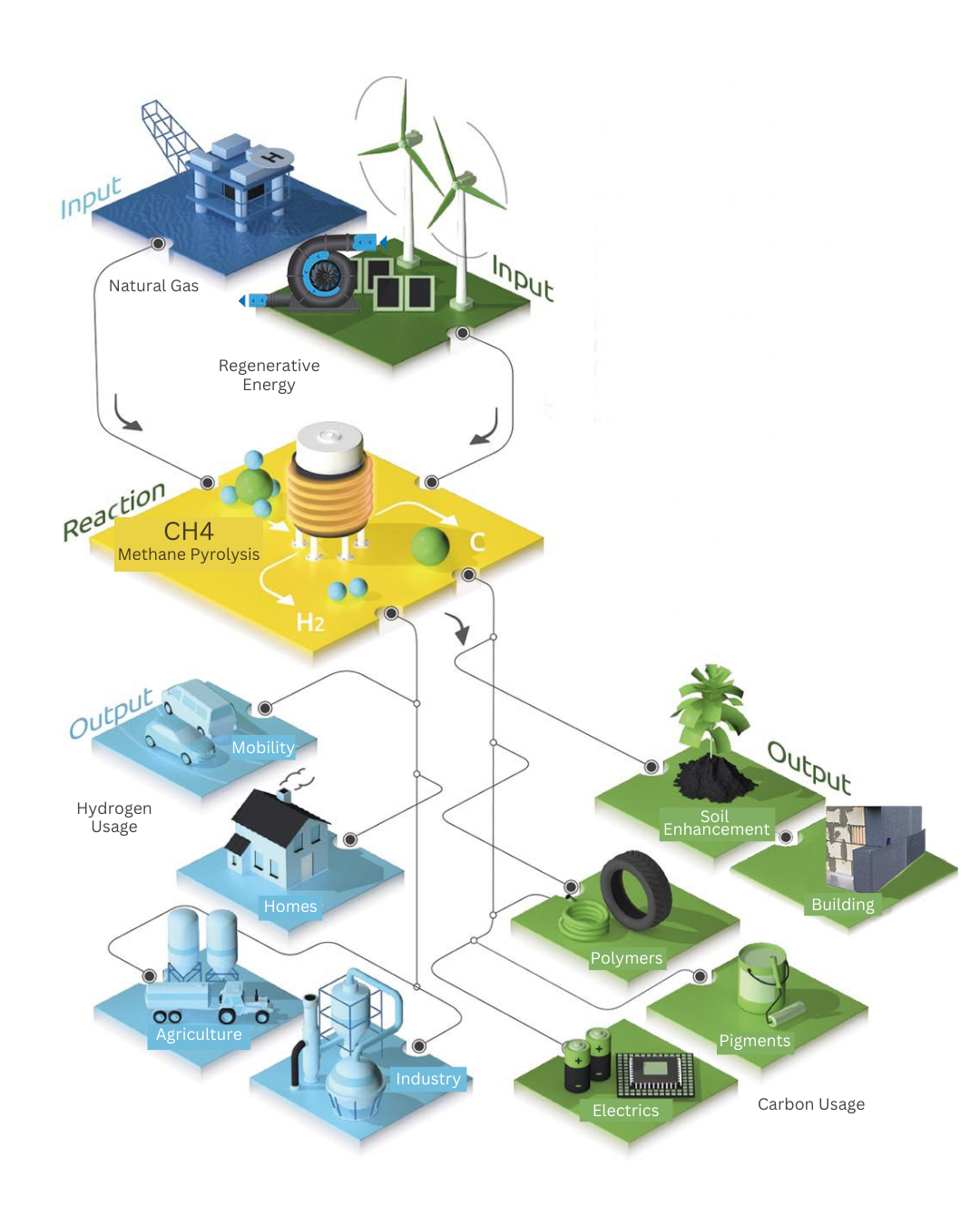
Step 1 — Input

Natural gas and renewable energy

Natural gas (CH₄) is supplied as feedstock. Regenerative energy drives the process, enabling a low-carbon energy input for the reaction.

2

Step 2 — Reaction

Methane pyrolysis

Methane pyrolysis converts natural gas almost emission-free into hydrogen (H₂) and solid carbon (C). No direct CO₂ is produced during the reaction.

3

Step 3 — Output

Hydrogen and carbon pathways

Hydrogen is used in mobility, homes, agriculture and industry. Solid carbon finds applications in soil enhancement, polymers, building materials, pigments and electronics.

Pyrolysis system process diagram

Source: https://gas-h2.de/; adapted

Why Methane Pyrolysis

A complementary pathway in the hydrogen portfolio.

Methane Pyrolysis

The thermal decomposition of methane (methane pyrolysis or methane electrolysis) involves splitting CH₄ into gaseous hydrogen and solid carbon.

  • - Plasma pyrolysis
  • - Pyrolysis by means of molten metal or salt
  • - Pyrolysis using solid catalysts

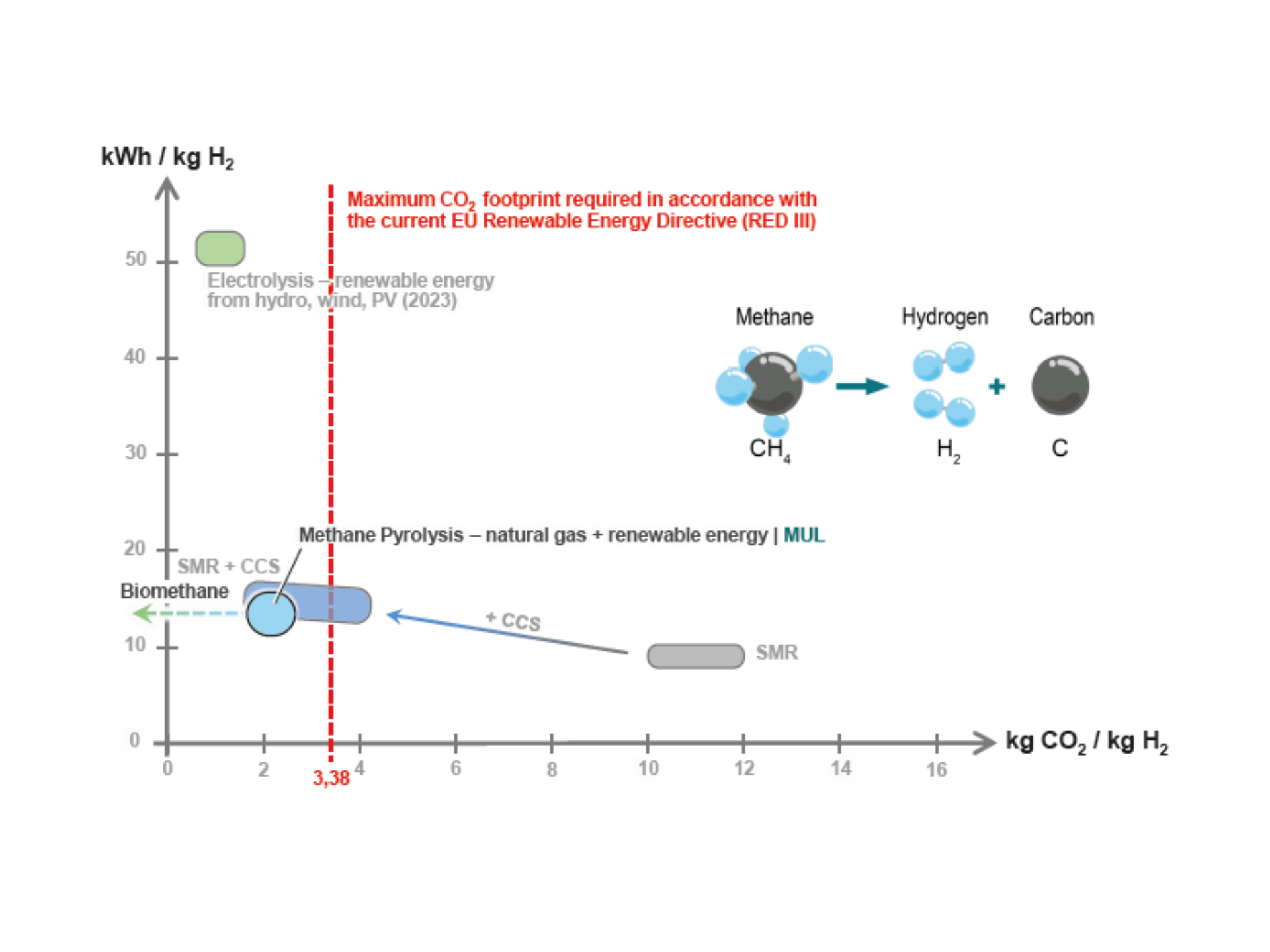
With the same energy input, pyrolysis can produce around four to five times the amount of hydrogen compared to water electrolysis.

Considering the entire production chain, the CO₂ footprint of both production routes using renewable energy is comparable, approx. 2-3 kg CO₂ / kg H₂.

Methane Pyrolysis comparison diagram

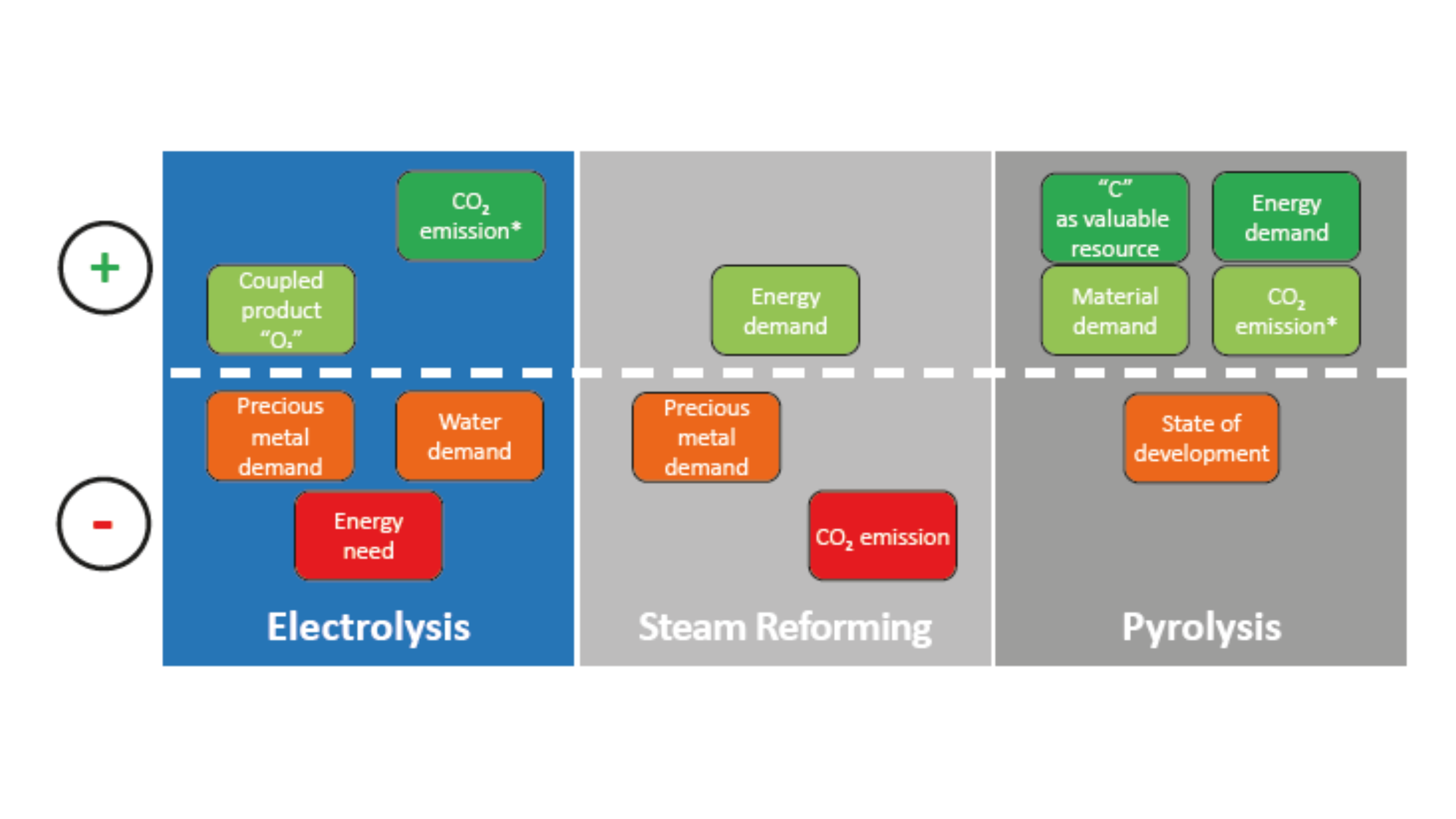
Pure Carbon from Pyrolysis

Different carbon modifications are achievable depending on process and process parameters (graphite, graphene, carbon black, carbon tubes).

Carbon represents a valuable second product from an economic and ecological point of view with a wide range of applications.

Pure Carbon from Pyrolysis comparison diagram

Carbon Applications

Carbon as a resource, not a waste stream.

Solid carbon from methane pyrolysis is engineered for circular use across agriculture, construction and industry — keeping carbon in the material loop instead of releasing it to the atmosphere.

Carbon in Agriculture

The use of carbon in agriculture has enormous potential to positively influence soils in the context of global climate change. Storing carbon in the soil leads to enhanced soil properties.

The advantages are:

  • Improvement of mechanical, physical and chemical properties
  • Increasing the water storage capacity
  • Improvement of soil stability
  • Reduction of nutrient losses and improved adsorption of organic and inorganic pollutants
  • Medium and long-term humus build-up results in climate-fit and resilient soils.

Carbon can also be used as a fertiliser by mixing it with organic residues such as liquid manure, compost and dung or by activating it with soil/microorganisms.

Carbon in agriculture
Carbon in building materials

Carbon in Building Materials

The annual global production of cement, the most important construction raw material, is around 2 – 4 billion tonnes. The possibility of substituting around 10% of cement with carbon from pyrolysis can be utilised without impairing the properties of the concrete.

Advantages are:

  • Reduction of CO₂ emissions by up to 10% compared to conventional production
  • Saving on raw materials

Carbon from pyrolysis (with the strongest possible ordered graphite structure) can also be used as an additive for XPS boards to increase insulation performance (deflection of heat radiation by graphite) and as a raw material in asphalt production.

Carbon in Special Applications

Carbon from pyrolysis can be used in many other sectors, in addition to agriculture and construction. These include:

  • Use as a raw material in the refractory industry
  • Rubber and activated carbon products
  • Use as an additive in lubricants
  • Additive in inks and pigments
  • Storage of hydrogen
  • Reducing agent in casting powders and in carbon electrodes for the metallurgical industry, e.g. steel and aluminium production
  • High-tech products of electronics and electrical engineering as well as batteries
  • Carbon nanotubes (CNT) for electronics and mechanical applications