
MOSA

MOSA - Montanuni Outdoor Science Activities

An interactive learning environment at the Research Centre for Hydrogen and Carbon where visitors follow the Energiepfad through six connected stations — from biodiversity meadows to energy labs and carbon innovation.

How MOSA turns science into hands-on learning

MOSA is not only a circular-economy information format. It is a guided, station-based learning experience where school groups, educators, and visitors explore how energy, resources, biodiversity, soil health, and carbon applications are connected in real systems.

Installed at the premises of the Research Centre for Hydrogen and Carbon at Montanuniversitaet Leoben, MOSA translates current research into understandable activities that combine demonstration, experimentation, and participation.

The didactic design follows a clear narrative logic: participants move through stations with age-adapted, colour-coded modules and interact with real experiments, materials, and landscape elements.
MOSA Video

MOSA concept in practice

A real learning environment for primary and secondary students

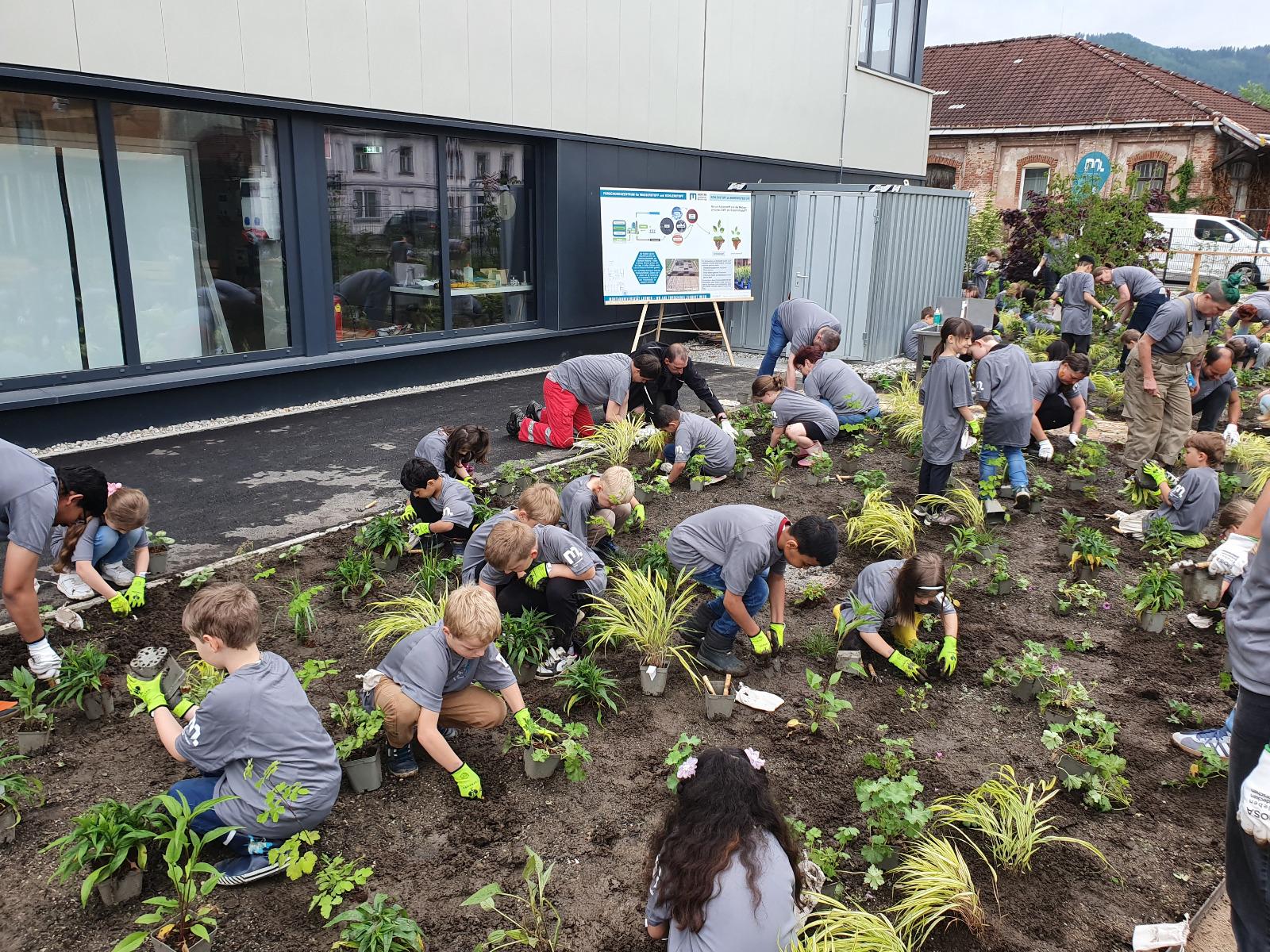
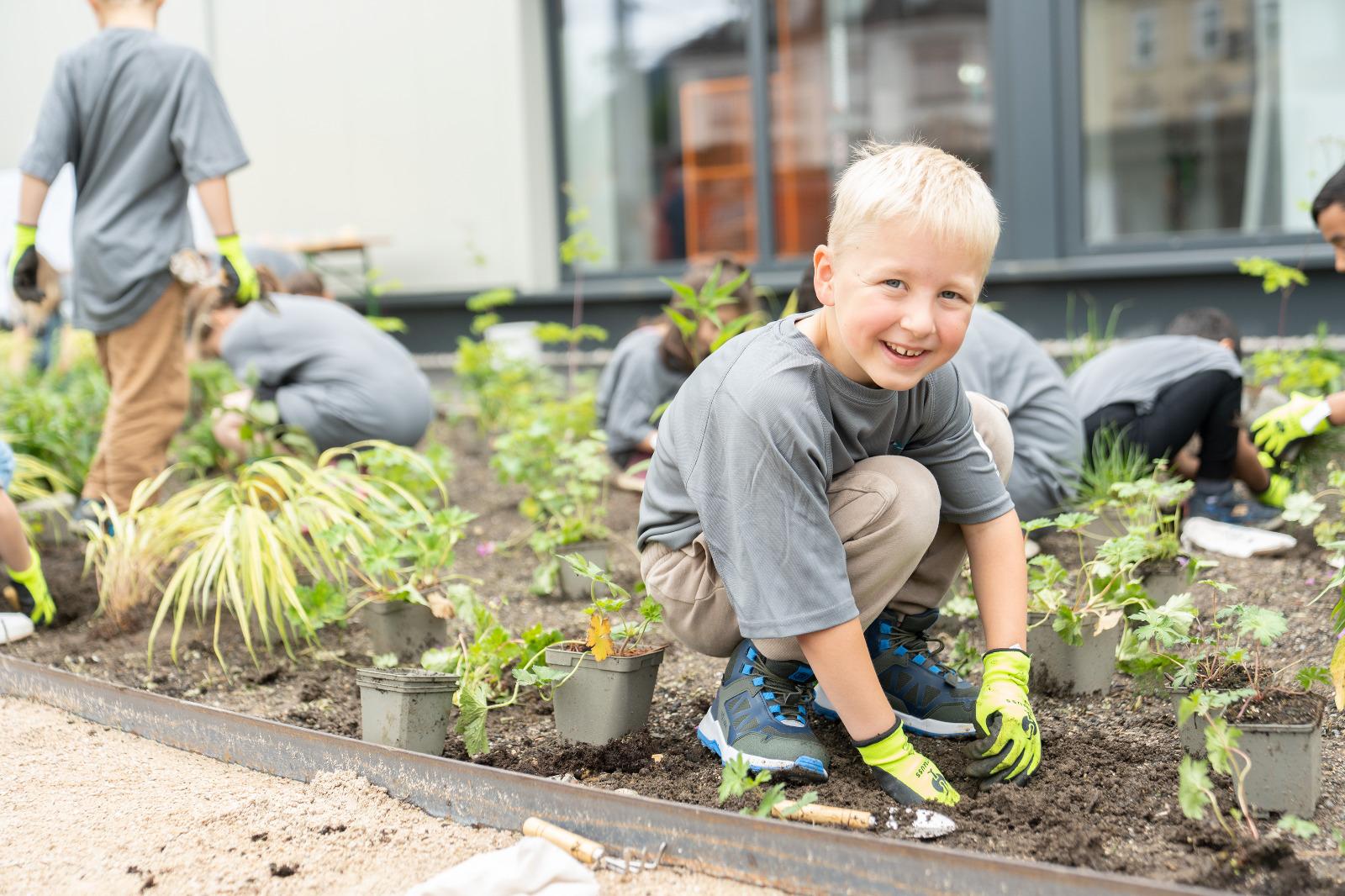
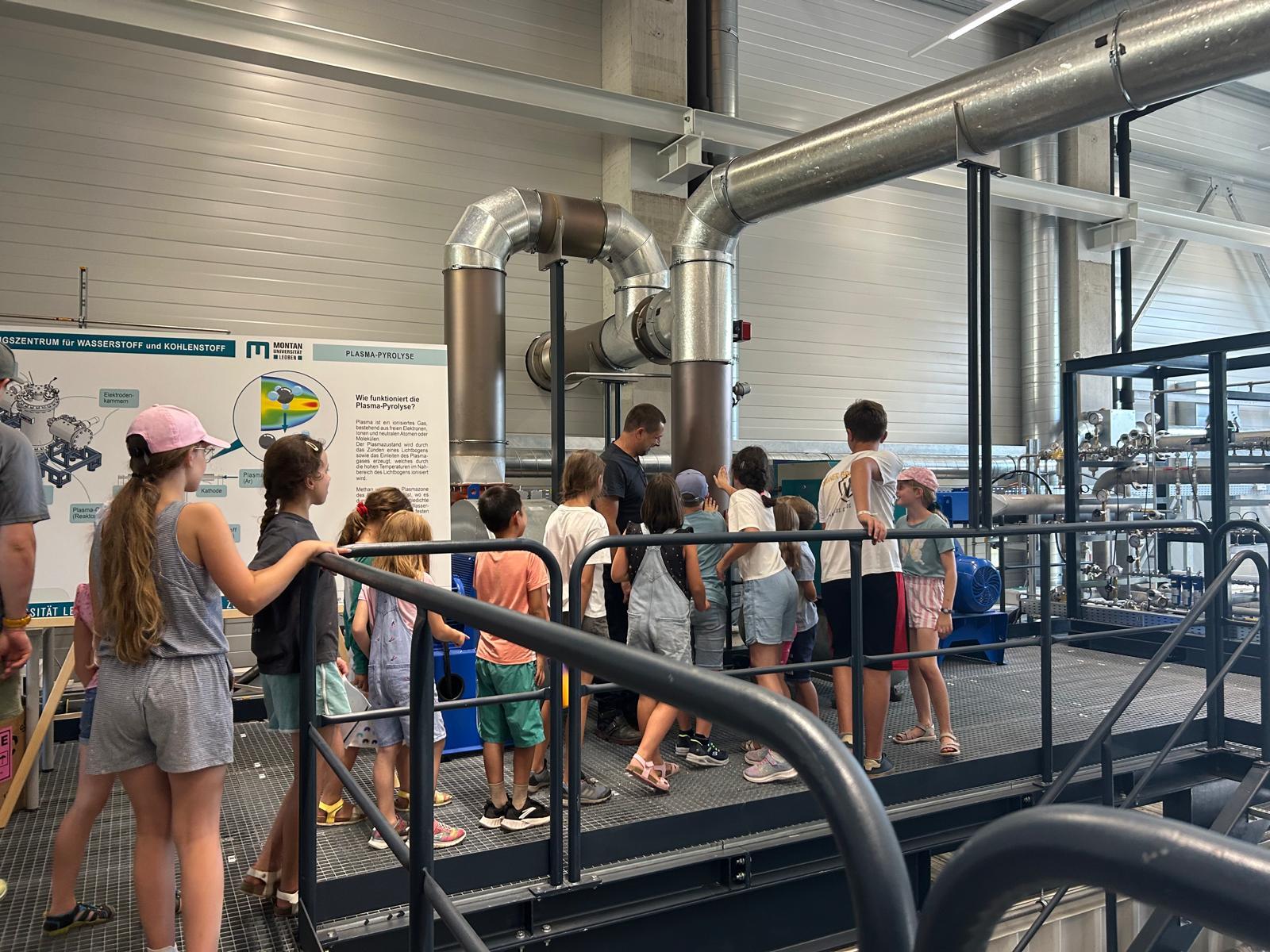
MOSA gives primary and lower-secondary school students a structured way to learn through direct experience. Instead of only listening in a classroom, children move through guided stations where they observe, test, discuss, and reflect with trained Ambassadors.

  • Age-adapted, colour-coded activities for primary and secondary education groups.
  • Hands-on experiments on energy, resources, biodiversity, and carbon applications.
  • 2 to 4 hour workshop formats that combine action, teamwork, and scientific thinking.
  • A safe outdoor setting where curiosity grows into understanding and practical skills.

Explain complex topics simply

MOSA turns current research into understandable stories and real examples for different age groups.

Create memorable experiences

Visitors do not only listen; they experiment, test, discuss, and apply results in a hands-on setting.

Build long-term engagement

The format encourages participants to share what they learn in schools, families, and communities.

Programme Quality and Learning Standards

  • Circular economy topics are communicated through a sequential, colour-coded narrative adapted to age groups from primary to secondary school level.
  • Workshops are led by trained Ambassadors and can be adapted to 2-4 hour formats, depending on the target group.
  • Mobile teaching and learning materials ensure continuity of educational activities under different weather conditions.
  • Methods are designed for active interaction and holistic learning, involving observation, experimentation, and multisensory engagement.

The Energiepfad — 6 MOSA Stations

MOSA Energiepfad learning path overview

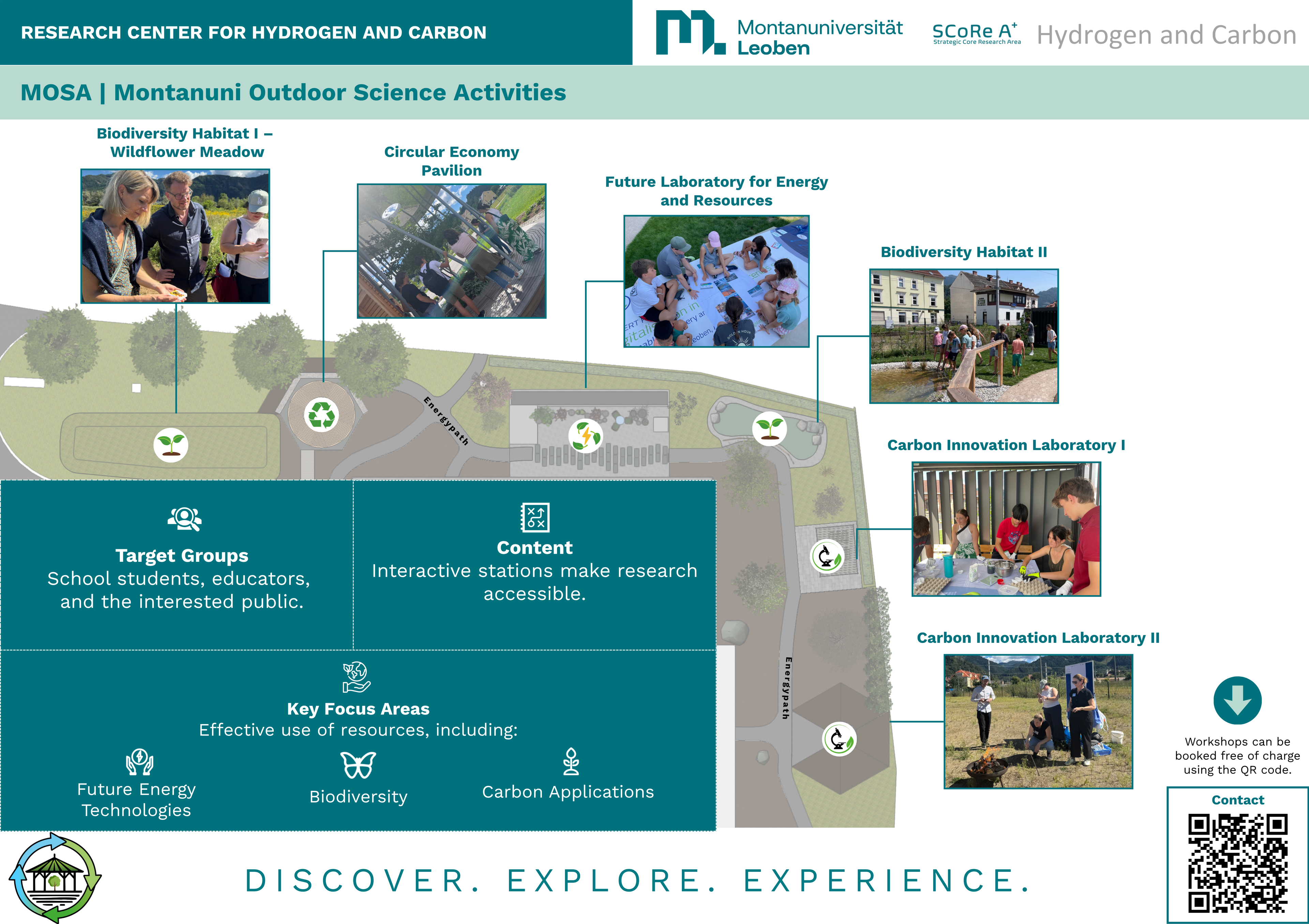
MOSA is structured as the Energiepfad — a complete station journey for students, teachers, and the interested public. At each stop, research is made understandable and tangible through hands-on activities on future energy technologies, biodiversity, and carbon applications.

Station 1 — Habitat Biodiversity I: Wildflower Meadow

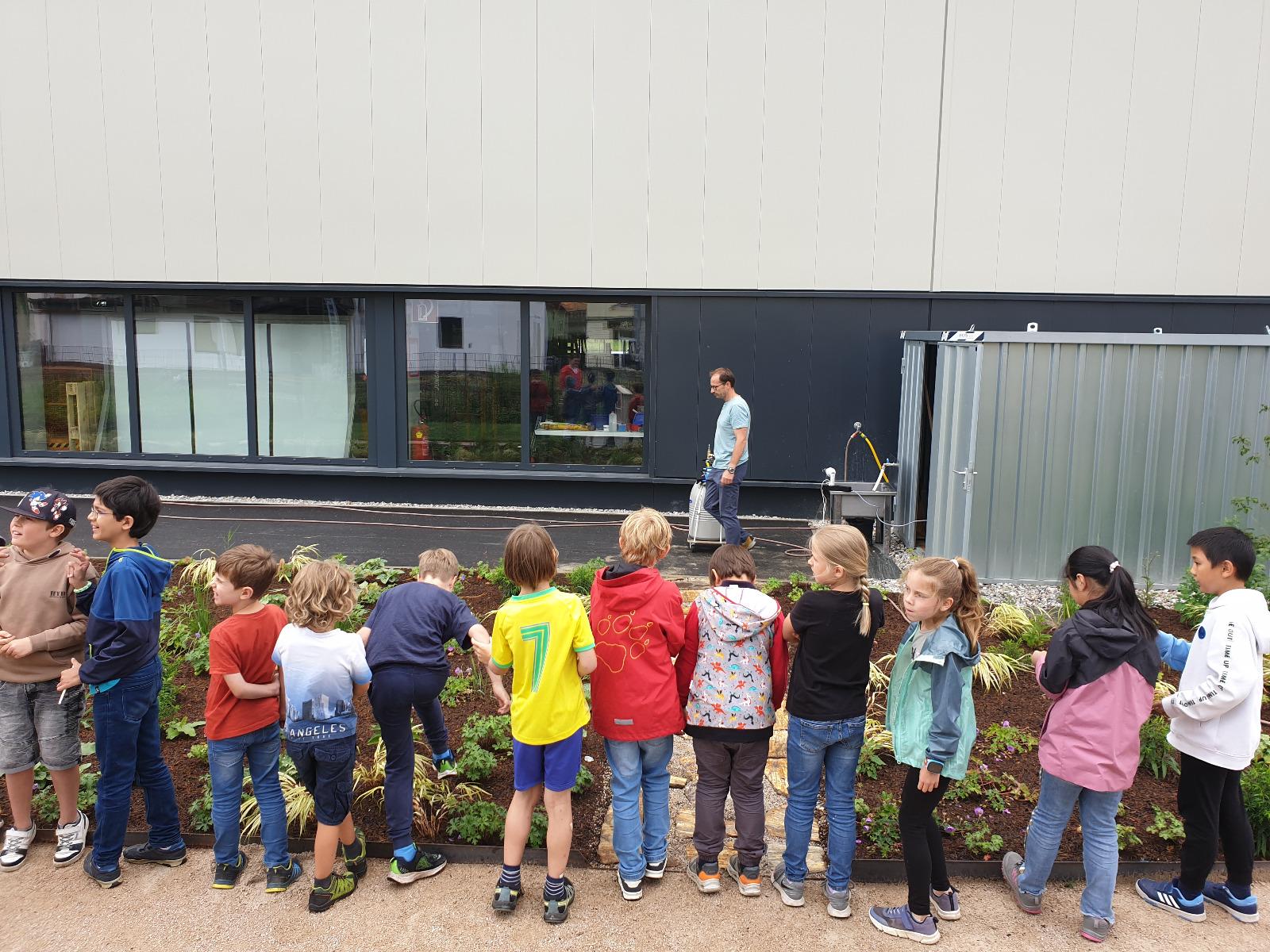
In the wildflower meadow, participants examine plants and seeds up close and discover how flowering habitats support biodiversity and resilient landscapes.

Station 2 — Circular Pavilion

The circular wooden pavilion is a gathering and orientation point where groups are welcomed and introduced to circular resource use along the Energiepfad.

Station 3 — Future Lab: Energy and Resources

At the Future Lab, participants work together on interactive floor activities that explore future energy technologies and the effective use of resources.

Station 4 — Habitat Biodiversity II

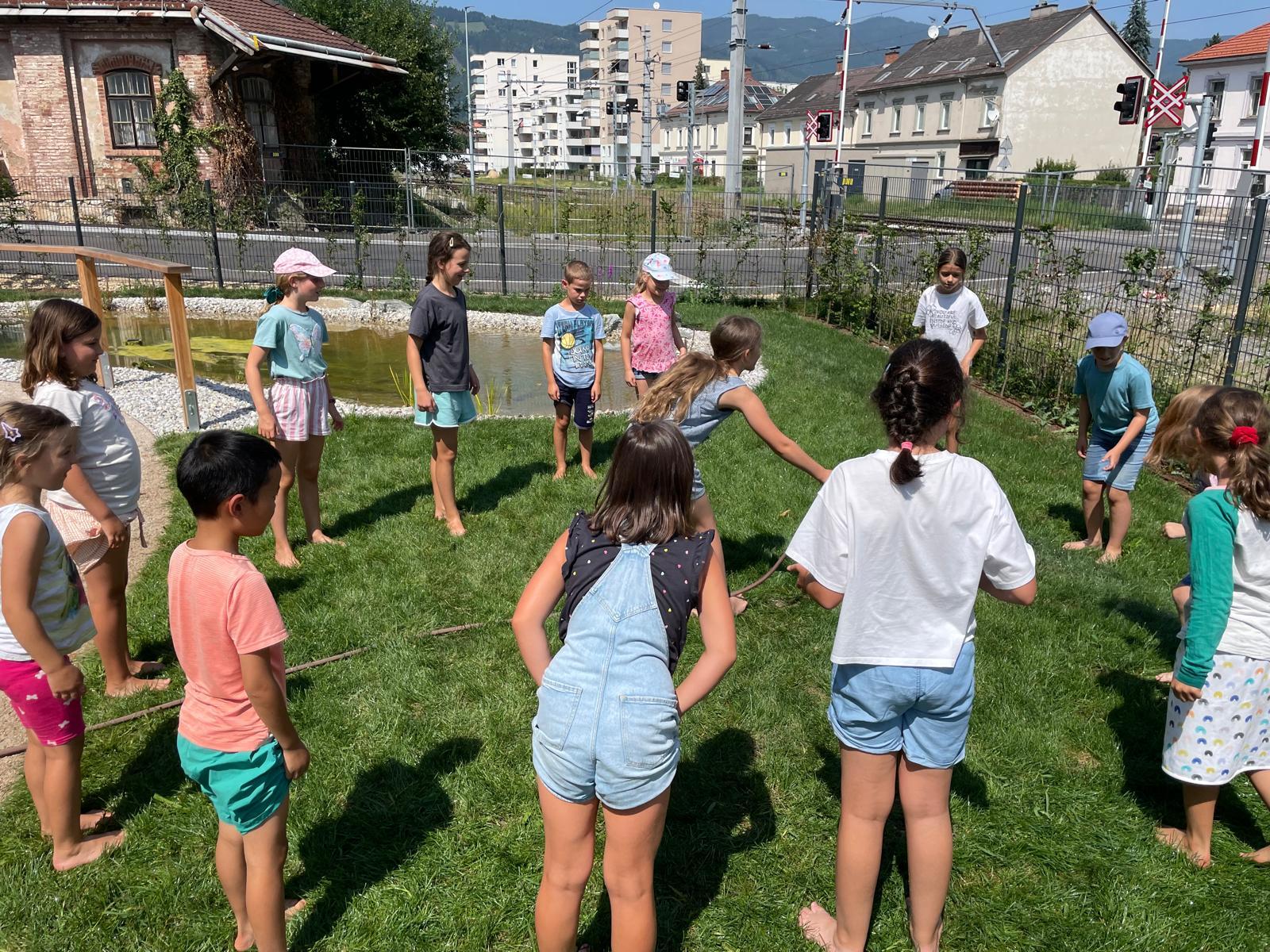
At the pond and wetland biotope, participants observe aquatic habitats and learn how diverse ecosystems connect to climate-adapted land use.

Station 5 — Carbon Innovation Lab I

Hands-on laboratory-style activities at outdoor tables where participants experiment with carbon-related materials and applications in a researcher-like format.

Station 6 — Carbon Innovation Lab II

Field-based carbon innovation, including biochar production at an outdoor kiln, linking practical experiments to real-world carbon applications.

MOSA in Pictures

MOSA learning station

Slide 1 / 8

Interactive learning station

Participants explore circular economy topics through guided practical tasks.