
Back to MOSA
For Associations

How can your association collaborate with MOSA?

Connect your members to hands-on outdoor science on energy, biodiversity, and carbon — with guided station formats that turn research topics into shared learning experiences.

Built for associations that want active learning, not passive presentations

MOSA welcomes clubs, NGOs, youth groups, and civic associations that want their members to explore sustainability topics through real experiments, guided stations, and outdoor teamwork.

Whether you are planning a first group visit or a recurring programme, this page explains how collaboration works, what to expect, and how to get started.

Thematic areas of MOSA

MOSAEnergy Path
Energy & Resources
Hydrogen
Biodiversity
Carbon Applications
Circular Economy
Soil Health

How it works

Three steps from enquiry to group visit

  1. 1

    Step 1

    Get in touch

    Send us a brief message with your association, member profile, preferred dates, and group size. We reply with availability and format options (typically 2–4 hours).

  2. 2

    Step 2

    Plan together

    We align the Energy Path route and station focus to your members' interests and age range. You receive practical information on arrival, safety, and what participants should bring.

  3. 3

    Step 3

    Experience MOSA on site

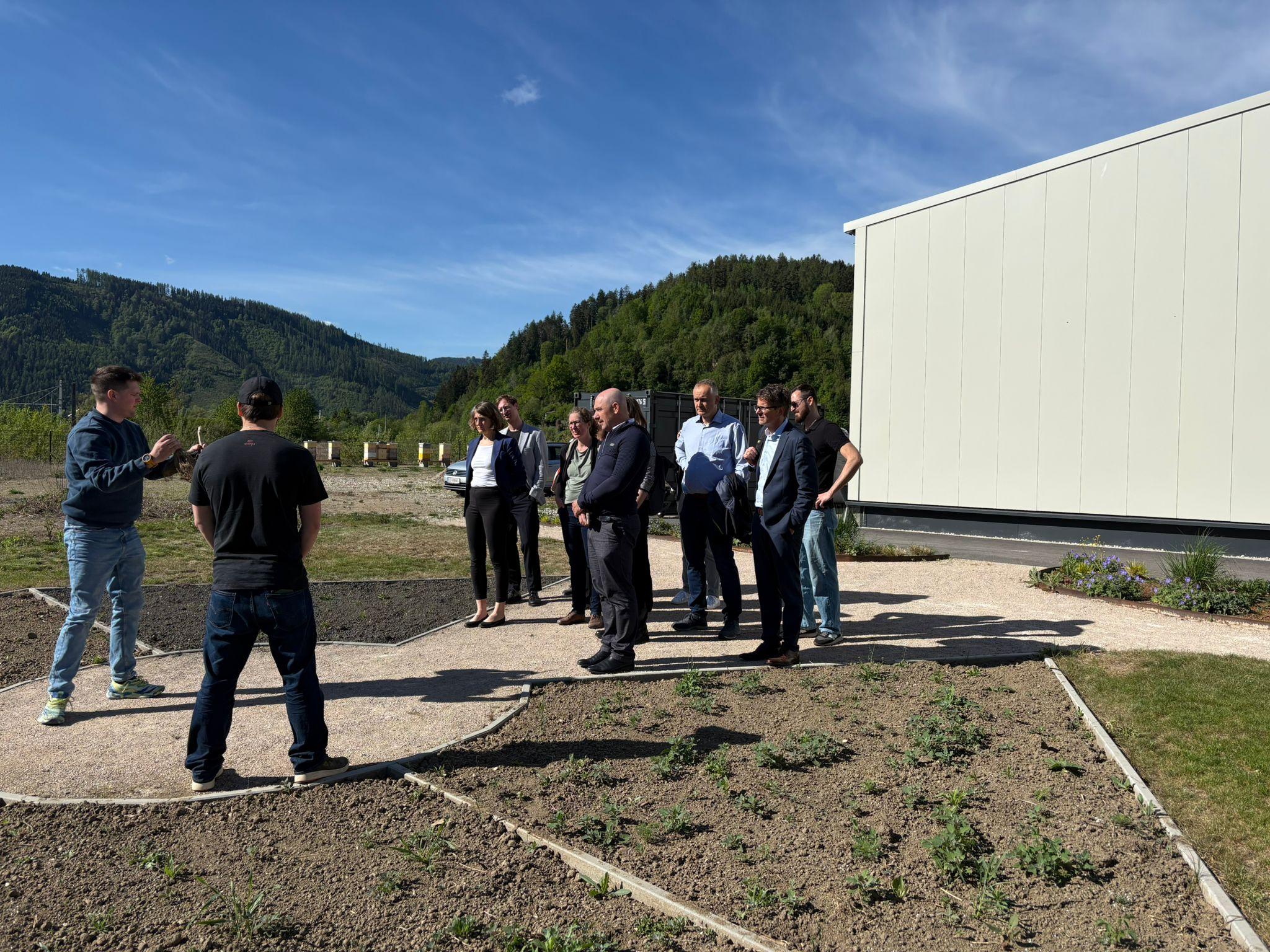
    Your group moves through the six MOSA stations with Ambassador support — observing, experimenting, and discussing real research topics in a safe outdoor setting.

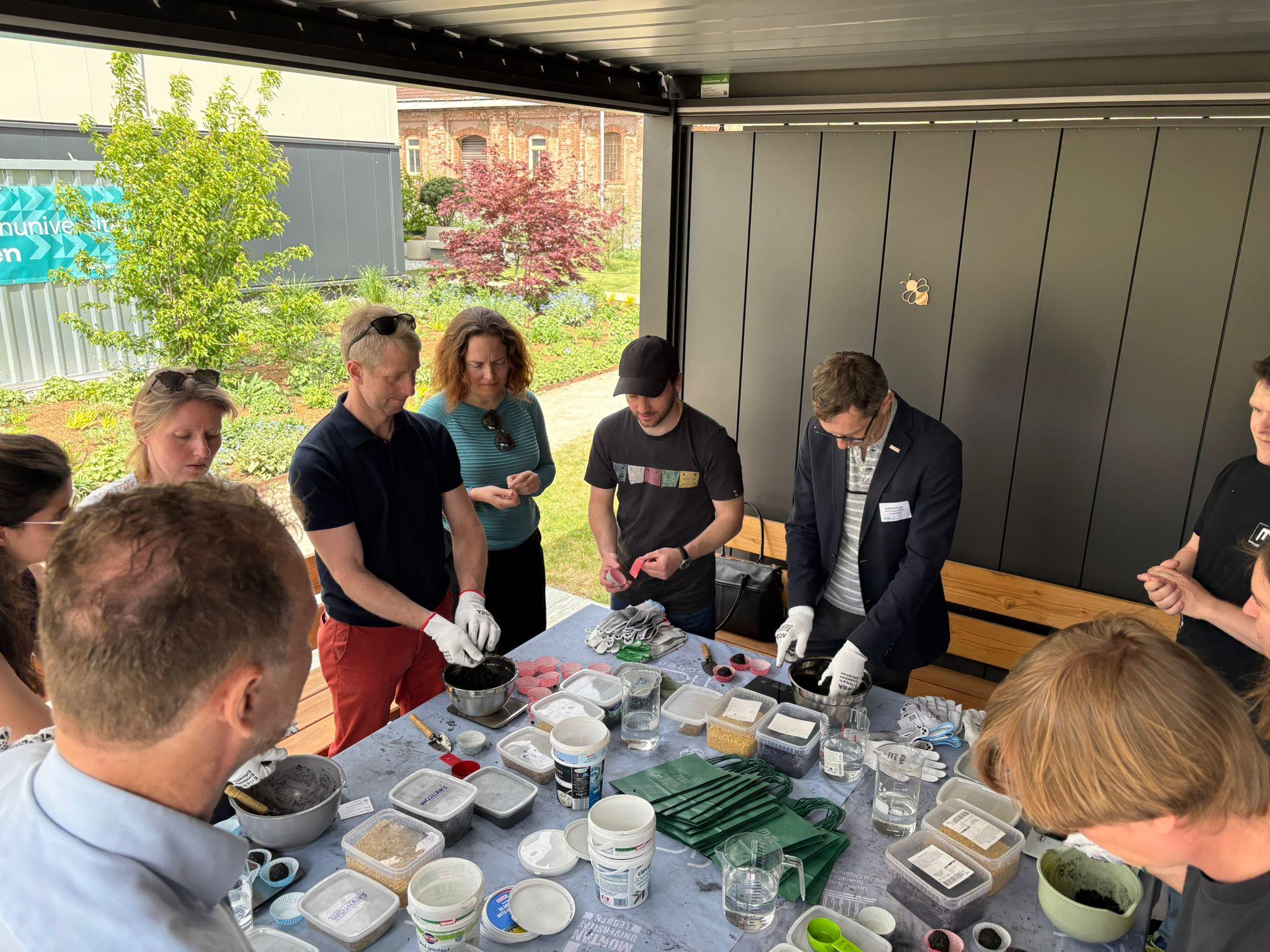
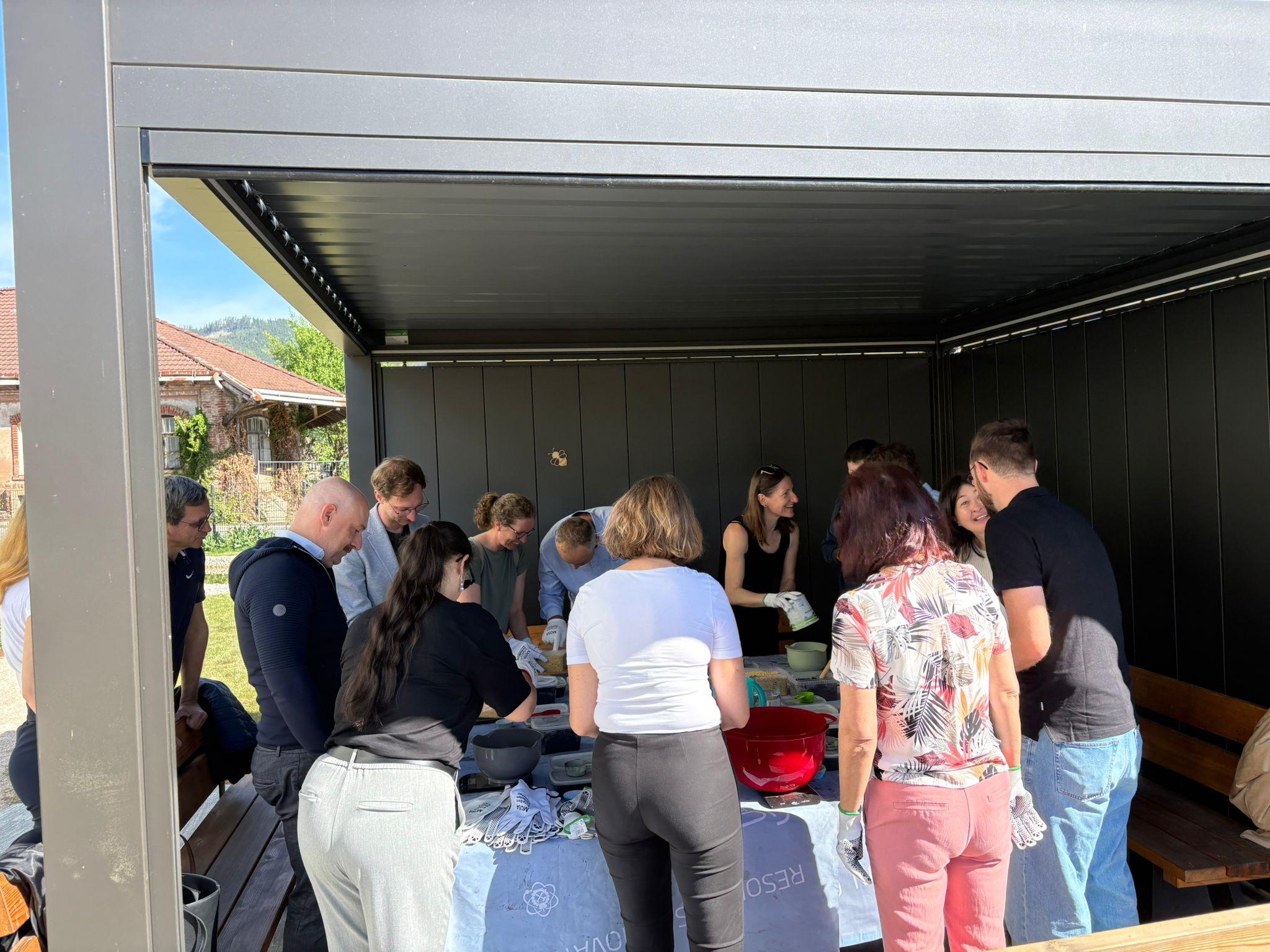
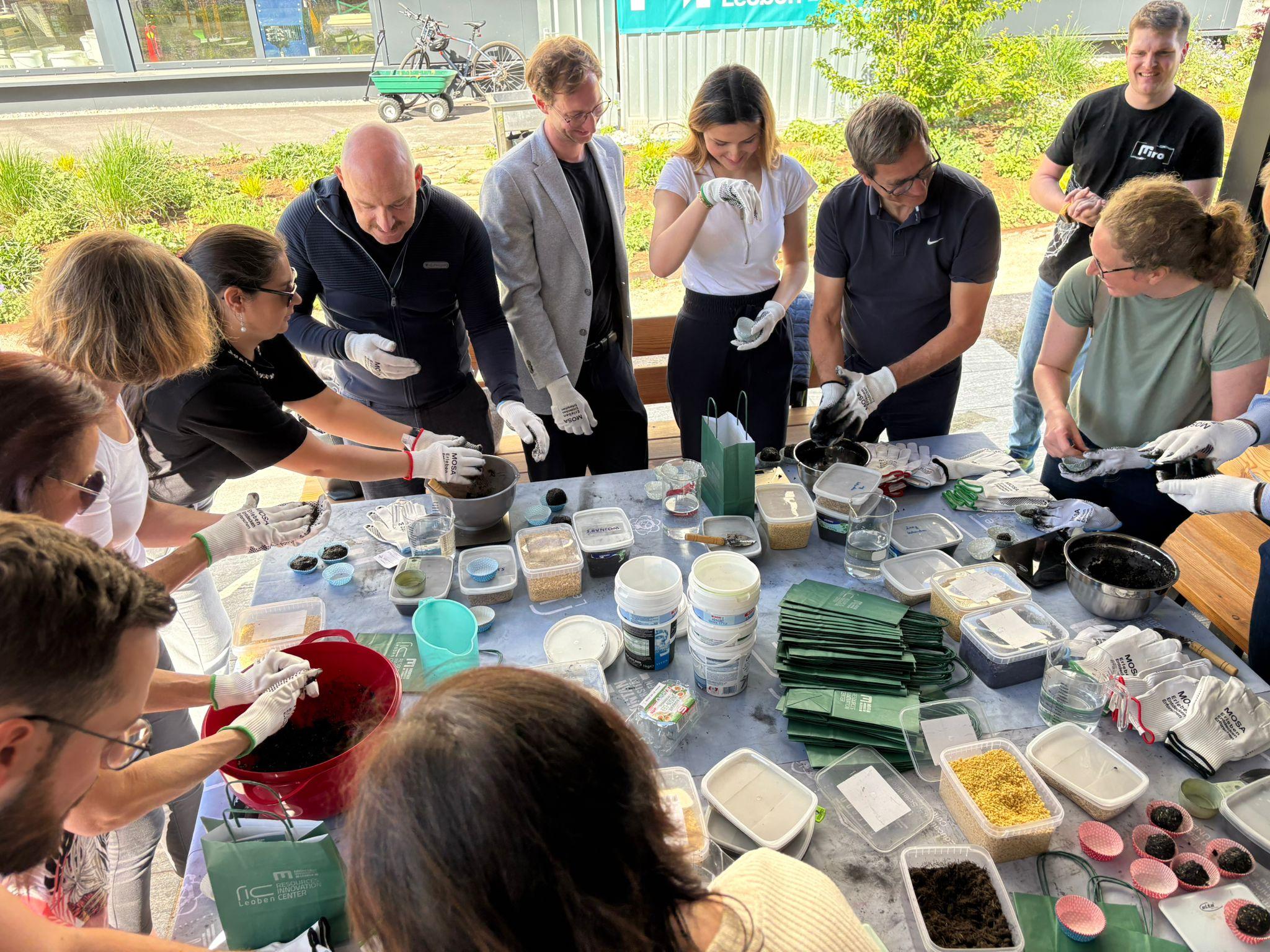
Association members taking part in a MOSA outdoor workshop at the research centre

Why associations join

What your members gain

Hands-on science for member groups

Energy, resources, biodiversity, and carbon applications become tangible through guided experiments and station-based activities.

Adaptable group formats

Workshops of 2–4 hours can be tailored to youth clubs, environmental NGOs, adult education groups, and mixed-aged groups.

Professional facilitation

Trained MOSA Ambassadors lead stations so your organisers can focus on their members while everyone participates actively.

A shared research experience

Members visit the Research Centre for Hydrogen and Carbon and connect association goals to ongoing science in the region.

Good to know

Who MOSA is for

Well suited for

  • Clubs, NGOs, and civic associations
  • Youth groups and volunteer organisations
  • Environmental, STEM, or sustainability-focused member networks
  • Mixed-age member groups welcome — activities are colour-coded and adapted by trained Ambassadors

Before you book

  • Workshop formats typically run 2–4 hours depending on group size, age range, and how many stations you cover. We recommend planning at least half a day for the full Energy Path experience.
  • Outdoor activities — weather-appropriate clothing is required
  • Mobile learning materials support programmes in varying conditions
  • Final dates and group sizes are confirmed individually with the MOSA team

FAQ

Questions associations ask most often

Which types of associations can participate?

MOSA welcomes clubs, NGOs, youth groups, environmental associations, and other civic organisations. Share your member profile when you enquire so we can propose a suitable format.

How long does a MOSA visit take?

Workshop formats typically run 2–4 hours depending on group size, age range, and how many stations you cover. We recommend planning at least half a day for the full Energy Path experience.

Can we bring mixed-age member groups?

Yes. Activities are colour-coded and adapted by trained Ambassadors. Tell us about your members' age range and interests when planning the visit.

What happens in bad weather?

MOSA uses mobile teaching and learning materials so educational activities can continue under different weather conditions. We discuss practical arrangements when planning your visit.

What is our role as organisers during the visit?

You remain responsible for your group. MOSA Ambassadors facilitate the station activities, experiments, and discussions — you support supervision and follow-up with your members.

Where does MOSA take place?

At the Research Centre for Hydrogen and Carbon, Montanuniversitaet Leoben — Dorfstrasse 1, Leitendorf, 8700 Leoben. The Energy Path is an outdoor station route on the research centre premises.

Ready to plan a MOSA visit with your association?

Contact the RIC Leoben team with your association name, member profile, preferred timeframe, and estimated group size. We will get back to you with next steps.

Contact us about MOSA

ric-leoben@unileoben.ac.at

Typical response within a few working days.