
Back to MOSA
For Municipalities

How can MOSA support your municipality?

Bring energy, biodiversity, and carbon topics to your community through guided outdoor science — with formats that connect local sustainability goals to real research at Montanuniversitaet Leoben.

Built for municipalities that want science communication beyond a brochure

MOSA offers municipalities a structured way to engage citizens, schools, and local partners around climate-neutral industry, circular resources, and resilient landscapes — on a real research site in Leoben.

Whether you are planning a public event, a school partnership, or a community learning day, this page explains how collaboration works, what formats are available, and how to get started.

Thematic areas of MOSA

MOSAEnergy Path
Energy & Resources
Hydrogen
Biodiversity
Carbon Applications
Circular Economy
Soil Health

How it works

Three steps from enquiry to community experience

  1. 1

    Step 1

    Get in touch

    Tell us about your municipality, target audience, preferred dates, and goals. We reply with format options — from guided tours to half-day workshops.

  2. 2

    Step 2

    Plan together

    We align the Energy Path route and station focus to your audience — families, youth groups, school classes, or mixed public events — and share practical information on access and logistics.

  3. 3

    Step 3

    Experience MOSA on site

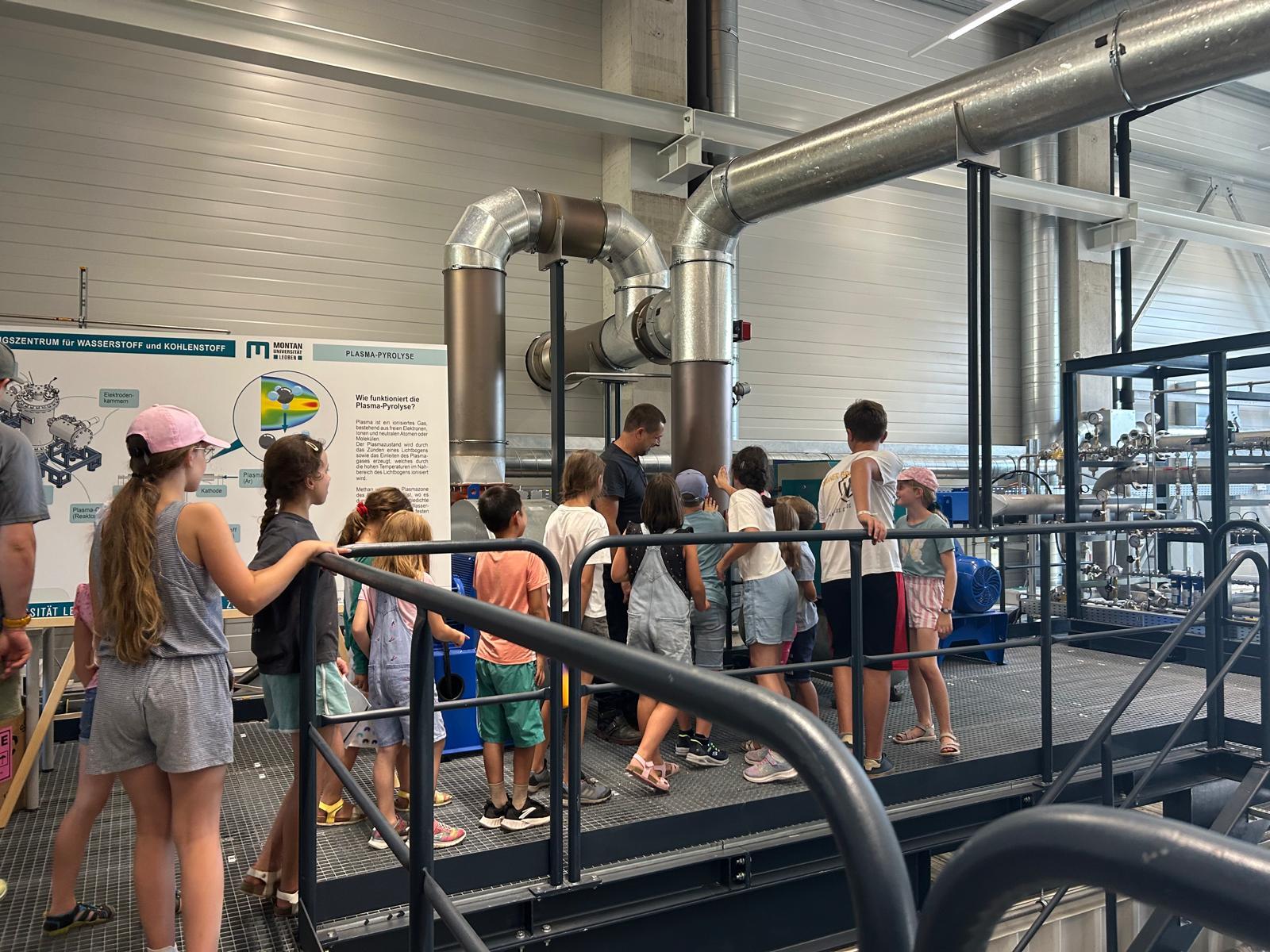
    Your community explores the six MOSA stations with Ambassador support — connecting local sustainability priorities to hands-on science in a safe outdoor setting.

Why municipalities join

What your community gains

Visible science for local audiences

Energy transition, biodiversity, and carbon applications become tangible through guided outdoor activities — not abstract policy language alone.

Flexible public formats

Programmes can be adapted for school groups, family days, youth initiatives, or municipal sustainability events.

Professional facilitation

Trained MOSA Ambassadors lead stations so your team can focus on hosting and community engagement.

A regional research anchor

Connect local climate and resource topics to ongoing research at the Hydrogen and Carbon Centre in Leoben.

Programme examples

Municipality-ready formats you can book

1

Seedballs & Biodiversity

Participate for more biodiversity

In this interactive short workshop, participants learn in a playful way why biodiversity matters for climate, nutrition, and quality of life. Together, they produce seedballs from regional seeds and take them home.

Content

  • Importance of wildflowers and pollinators
  • Biodiversity in everyday life
  • Hands-on seedball making
  • Practical tips for gardens, balconies, and municipal spaces
Duration: 45-90 minutesTarget groups: Families, children, youth, adultsIdeal for: Municipality festivals, environment weeks, holiday programmes, climate action days
2

The Climate Puzzle

Understanding climate knowledge together

The Climate Puzzle is an interactive group format that communicates scientific climate basics in an understandable and playful way. Participants work on links between causes, impacts, and possible solutions.

Content

  • Causes of climate change
  • Effects on people and environment
  • Global and local connections
  • Solutions and options for action
  • Shared future thinking

Process

Participants work in small groups with cards, images, and relationships, and build one large climate puzzle together.

Duration: 90-180 minutesTarget groups: Youth, adults, associations, municipality residentsIdeal for: Climate days, citizen participation formats, municipalities, youth projects

Good to know

Who MOSA is for

Well suited for

  • Municipal offices and community departments
  • Local sustainability, climate, or education initiatives
  • School visits, public learning days, family formats, and community sustainability events
  • Partnerships linking schools, citizens, and regional research

Before you book

  • Formats typically run 2–4 hours depending on audience, group size, and how many stations you cover. We recommend planning at least half a day for the full Energy Path experience.
  • Participation terms are discussed individually when you enquire
  • Outdoor activities — weather-appropriate clothing is required
  • Mobile learning materials support programmes in varying conditions
  • Final dates, group sizes, and formats are confirmed individually with the MOSA team

FAQ

Questions municipalities ask most often

What kinds of municipal events can MOSA support?

MOSA can support school visits, public learning days, family formats, and community sustainability events. We tailor the Energy Path route and station focus to your audience and time frame.

How long does a visit or event take?

Formats typically run 2–4 hours depending on audience, group size, and how many stations you cover. We recommend planning at least half a day for the full Energy Path experience.

Can we combine MOSA with other local initiatives?

Yes. Many municipalities connect MOSA visits with existing climate, education, or community programmes. Share your goals when you enquire so we can align the format.

What happens in bad weather?

MOSA uses mobile teaching and learning materials so educational activities can continue under different weather conditions. We discuss practical arrangements when planning your event.

Is there a cost for municipalities?

Participation terms are discussed individually when you enquire. Contact us with your municipality name, audience, and preferred dates to plan next steps.

Where does MOSA take place?

At the Research Centre for Hydrogen and Carbon, Montanuniversitaet Leoben — Dorfstrasse 1, Leitendorf, 8700 Leoben. The Energy Path is an outdoor station route on the research centre premises.

Ready to bring MOSA to your community?

Contact the RIC Leoben team with your municipality name, target audience, preferred timeframe, and estimated group size. We will get back to you with next steps.

Contact us about MOSA

ric-leoben@unileoben.ac.at

Typical response within a few working days.